How to store gold and silver safely at home, in a bank or in a depository
Once your gold or silver arrives, it needs a safe place to live. This guide compares storing at home, in a bank safe deposit box and with a private depository, and explains insurance limits, handling and the records worth keeping.
The short answer
Most people keep physical gold and silver in one of three places: at home in a good safe, in a bank safe deposit box, or with a private depository. Each has trade-offs between cost, access and risk, and many owners use more than one.
Whichever you choose, the basics are the same: insure the metal, keep it in its original packaging, handle it as little as possible, and keep your invoices separate from it.
Keeping gold and silver at home
Home storage costs little and lets you reach your metal at any time. The risks are burglary, fire and simply forgetting where you put things.
- Use a proper safe. In the US, many safes carry Underwriters Laboratories (UL) ratings. Burglary ratings such as TL-15 or TL-30 show how long a safe resisted a tool attack in testing; fire ratings are separate and show how long the inside stays cool enough. Check both.
- Bolt it down. A safe that isn't anchored can simply be carried away and opened elsewhere. Fix it to a concrete floor or solid framing following the manufacturer's instructions.
- Think about where it goes. A safe out of sight, away from the front door and not in the obvious places such as the primary bedroom closet, is harder to find in a hurry.
- Don't rely on hiding places. Metal hidden in a drawer or under the floor is often not insured and can be lost when a house is cleared or sold.
Silver takes up far more space
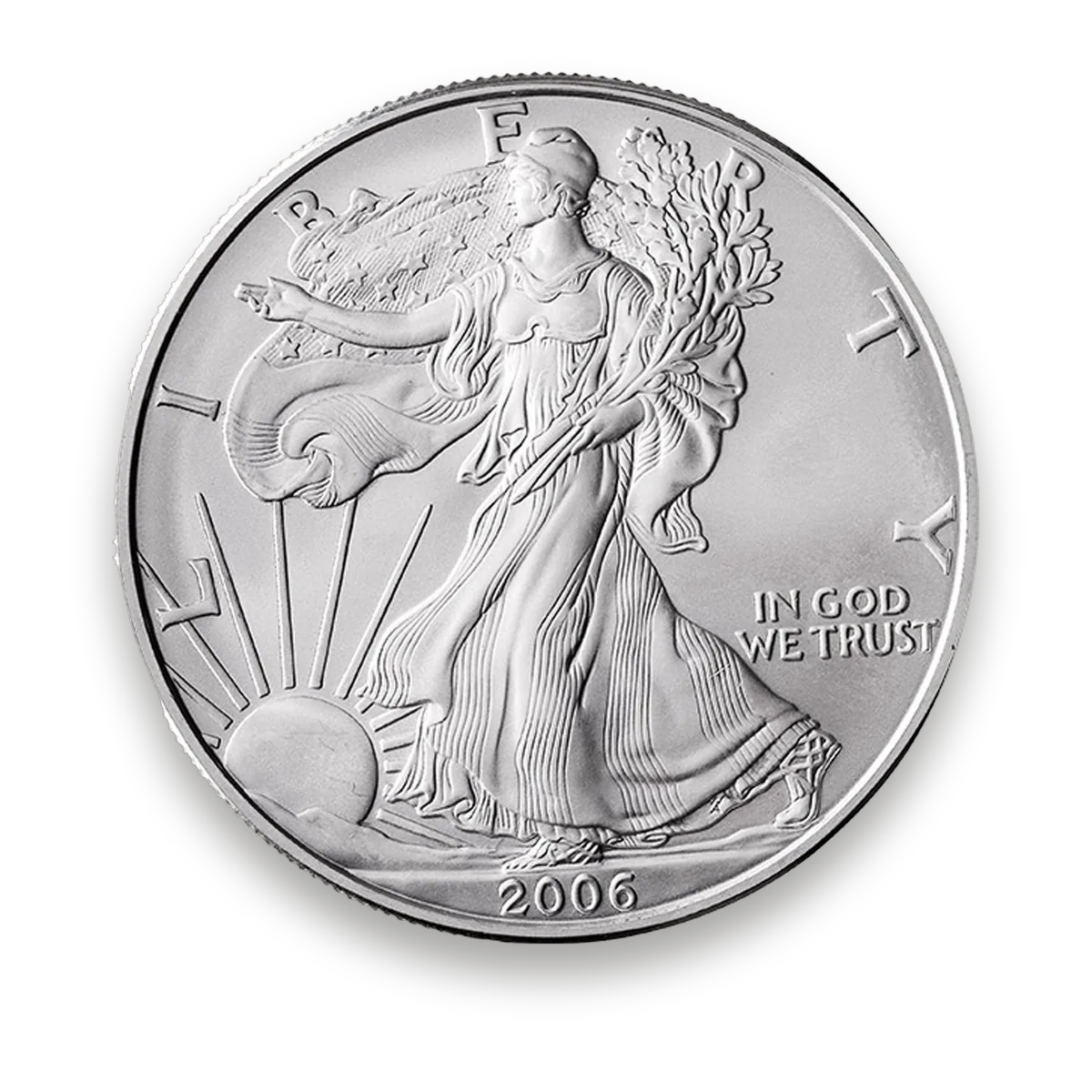
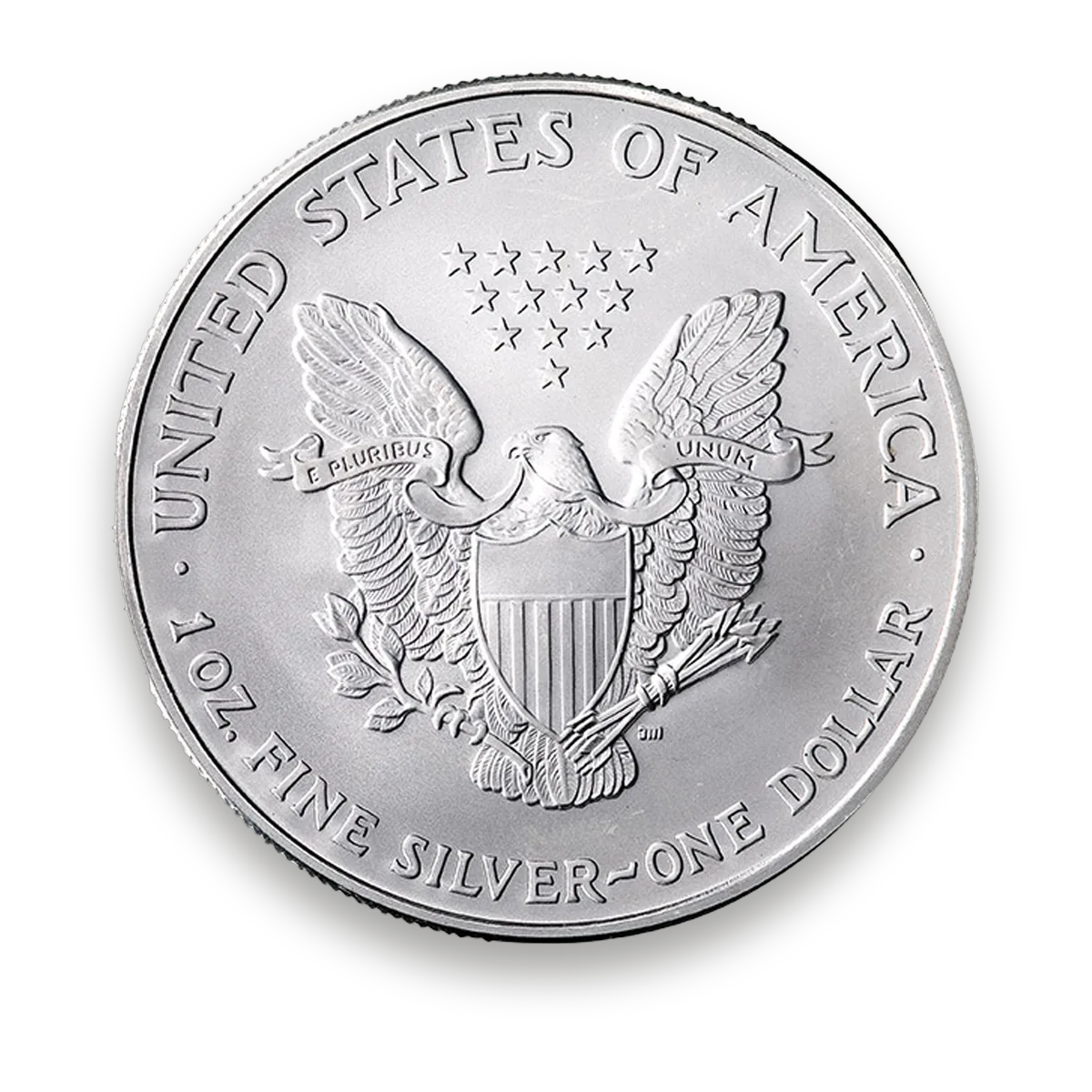
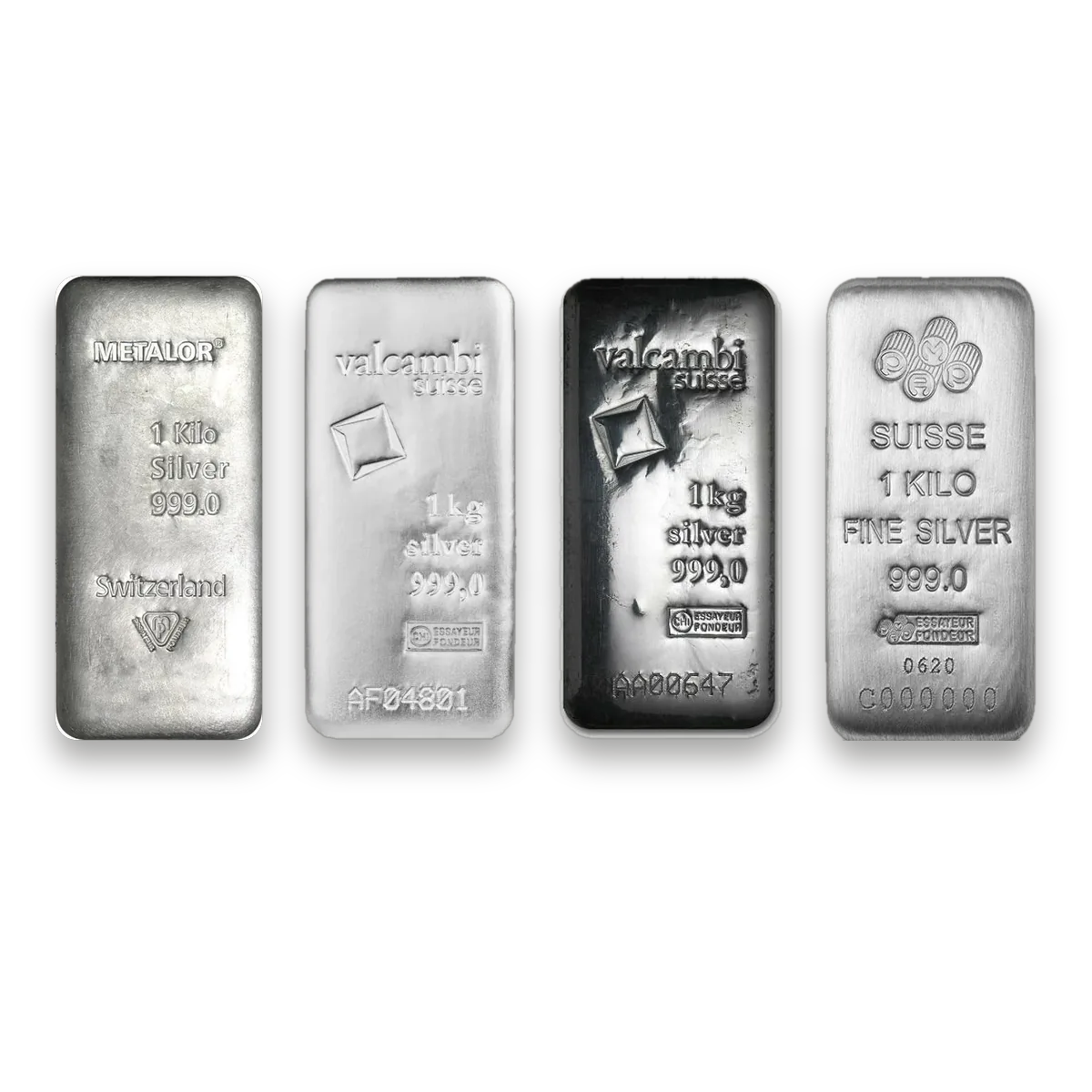
Silver is worth much less per ounce than gold, so the same amount of money buys many times the weight and volume. A safe that easily holds a few gold coins can fill up quickly with silver, and the weight matters if you ever move it. You can compare the two on the gold price chart and silver price chart.
Insurance: check your homeowners or renters policy
Do not assume your homeowners or renters insurance covers bullion. Policies differ widely between insurers and states.
- Many standard policies have a low special limit for money, coins and bullion, sometimes only a few hundred dollars, and may cover theft only under certain conditions.
- To cover more, you may need a scheduled personal property endorsement (often called a rider or floater), which lists items and values. The insurer may ask for receipts and may require a safe of a certain rating.
- Review the cover as prices move. A holding that was within your limit when you bought it may not be later.
If in doubt, ask your insurer or agent to confirm your cover in writing.
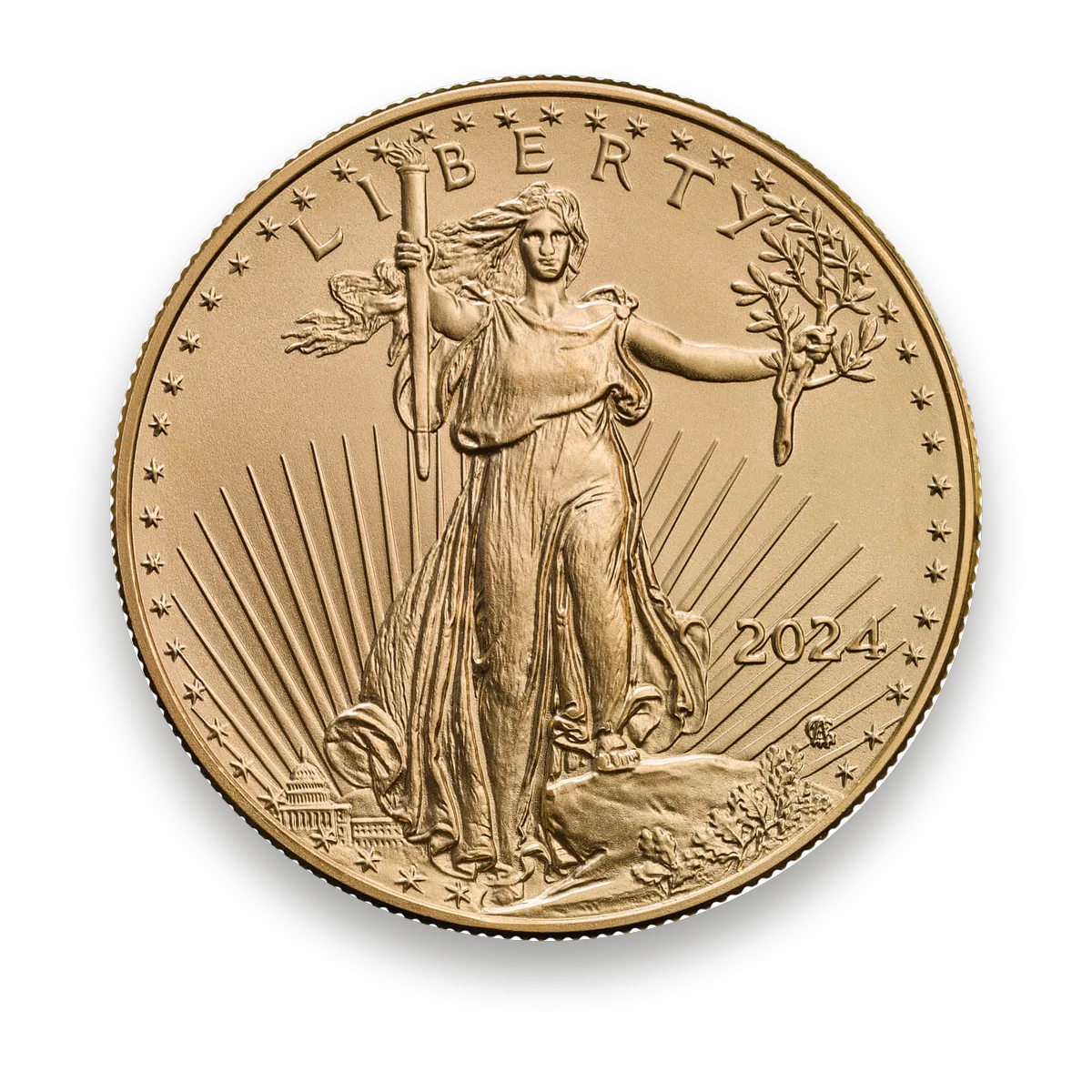
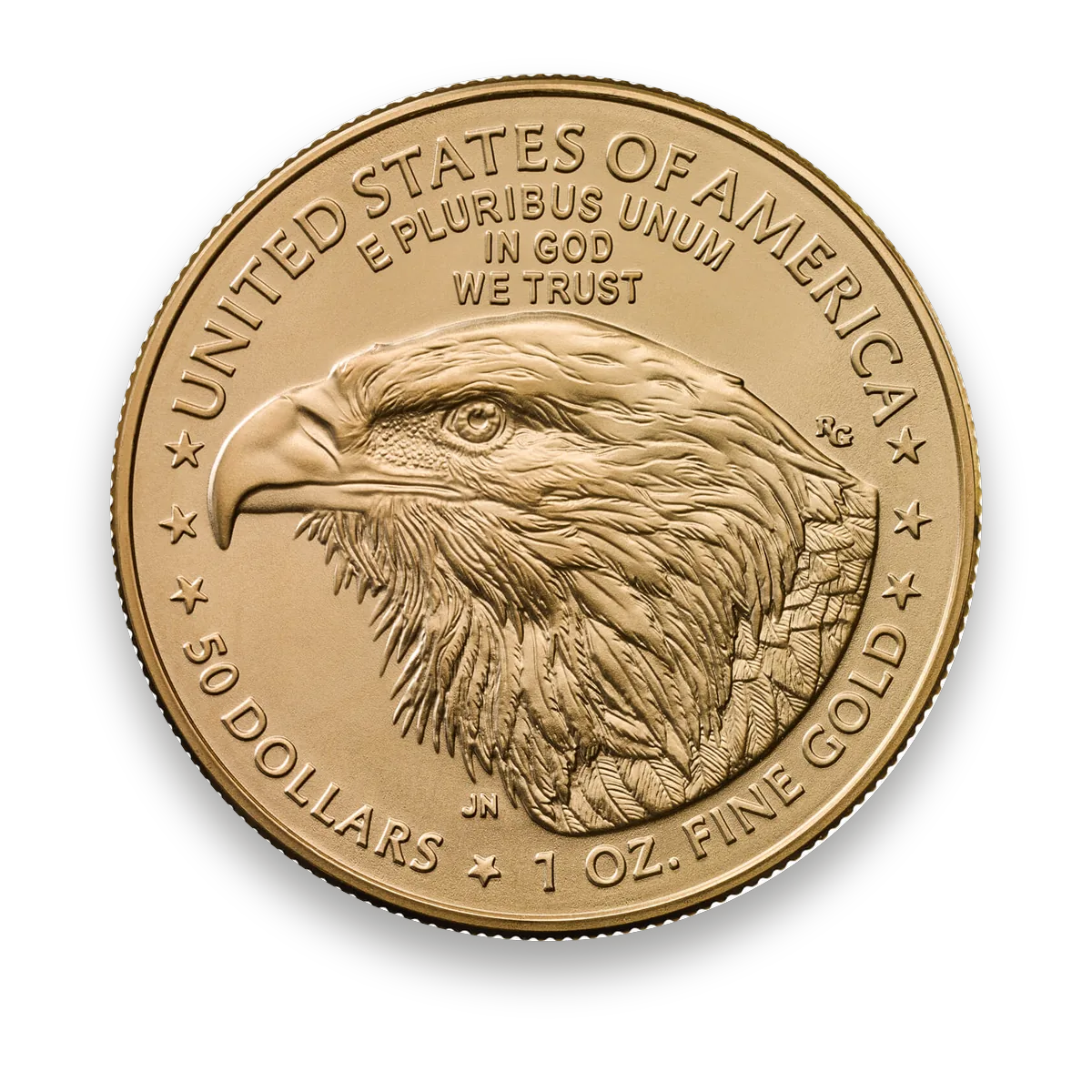
Bank safe deposit boxes and private depositories
If you would rather not keep metal at home, there are two main alternatives.
Bank safe deposit boxes are rented boxes inside a bank vault. They are discreet and well protected, but fewer bank branches offer them than in the past, and some have waiting lists. Importantly, the contents of a safe deposit box are not insured by the FDIC, which covers deposits, not what is in the box, and the bank usually accepts only limited liability. You will normally need your own cover, sometimes through your homeowners or renters policy. Access is limited to branch hours.
Private depositories are run by specialist storage companies, some of them independent of any dealer. Some offer private boxes; others hold bullion for you and record which bars or coins are yours. Before choosing one, check:
- Whether your metal is segregated or allocated (specific items held in your name) or unallocated (a claim on a shared pool).
- Who insures it, for how much, and against what.
- Whether holdings are independently audited, and how often.
- The fees, and how and where you can collect, ship or sell your metal.
| Option | Typical cost | Access | Main things to check |
|---|---|---|---|
| Home safe | One-time cost of the safe and installation | Any time | UL ratings, anchoring, insurance limits |
| Bank safe deposit box | Annual rent | Branch hours | Availability, your own insurance (not FDIC-insured), the rental agreement |
| Private depository | Ongoing fee, often linked to value | By arrangement | Segregated or not, insurance, audits, withdrawal terms |
This guide isn't investment advice.
Handling and caring for coins and bars
Pure gold does not tarnish, but both gold and silver scratch and dent more easily than people expect, and marks can lower what a dealer will pay.
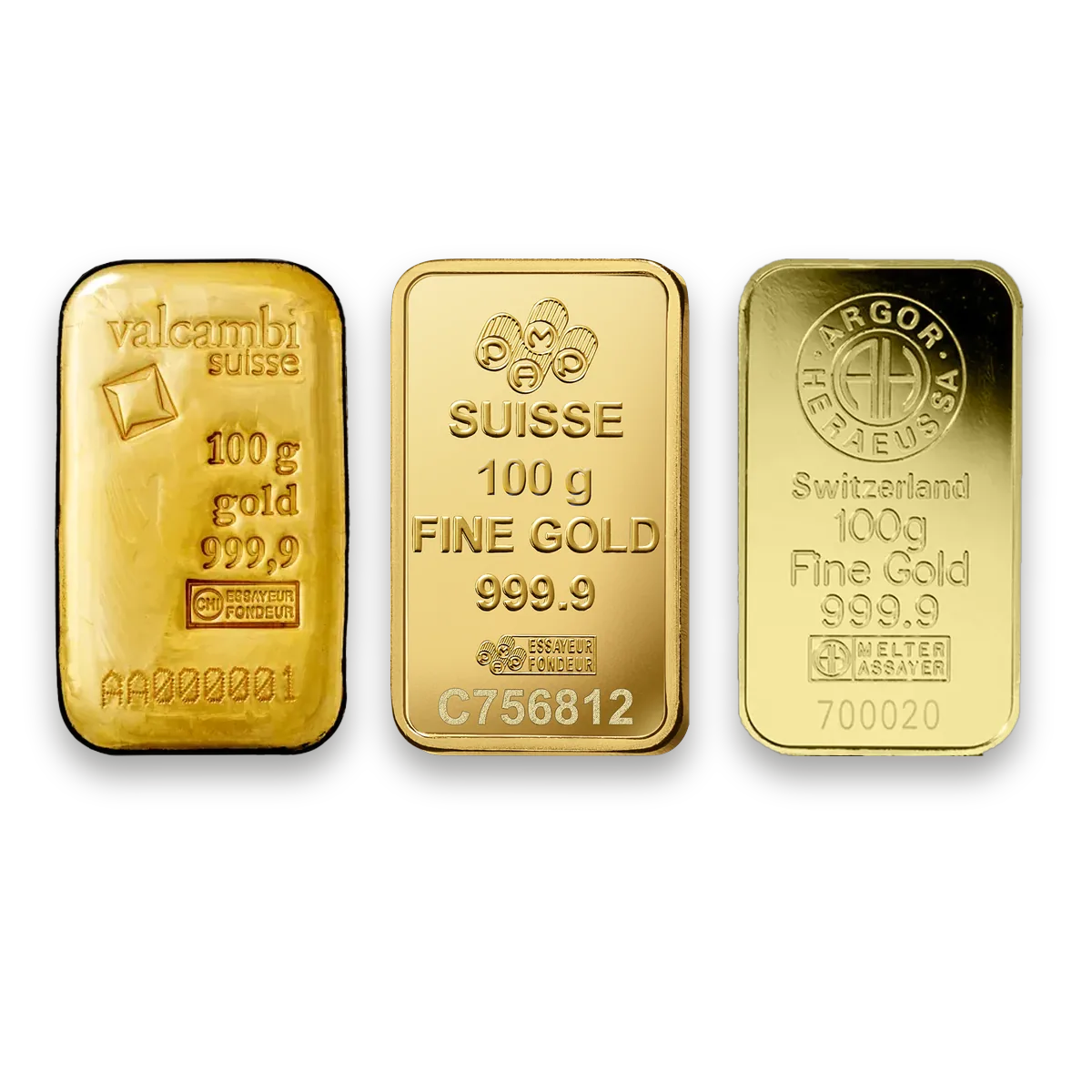
- Keep them in their original packaging. Coins often come in capsules or tubes, and small bars in sealed cards. Leave them there; a bar in its original sealed card is usually easier to sell.
- Hold by the edges. If you do take a coin out, wear clean cotton or nitrile gloves. Fingerprints contain oils and salts that can mark the surface over time.
- Never clean coins. Polishing, dips and abrasives leave fine scratches and can reduce value, especially for collectors.
- Store silver in a dry place. Silver reacts with sulfur in the air and slowly tones (darkens). Toning does not change the silver content, but some buyers prefer bright coins. Airtight containers and a packet of silica gel help, especially in humid climates. Avoid soft plastic flips containing PVC, which can damage coins over time.
- Know about milk spots. Some silver bullion coins develop white, cloudy marks known as milk spots, which are thought to come from the minting process. They cannot reliably be removed and don't affect the silver content.
Records and discretion
Good records make insurance claims, resale and any tax questions far easier.
- Keep every invoice. Your invoice shows what you bought, when and for how much, which you may need when you sell. Tax on selling depends on your situation, so check with a tax adviser.
- Keep a list. Note each item, any bar serial numbers and where it is stored. Photos help too.
- Store records separately. Keep copies away from the metal, for example in a secure digital folder, so a single theft or fire doesn't take both.
- Tell someone you trust. If nobody knows your metal exists or where it is, your family may never find it. Consider mentioning it in your estate planning.
Discretion is part of security. Avoid posting about your purchases on social media or discussing them with people who don't need to know. When you order from AU Trading, every package is insured and needs a signature on delivery, so arrange for someone to be home to receive it rather than leaving it to chance. For a reminder of how ordering works, see how to buy gold online.
Common questions
Is it safe to keep gold at home?
It can be, with a properly rated safe that is bolted down, insurance that explicitly covers the metal, and discretion about what you own. The right choice depends on how much you hold and your circumstances.
Is my safe deposit box insured by the FDIC?
No. FDIC insurance covers deposits, not the contents of a safe deposit box. The bank protects the vault, but the contents are normally your responsibility, so arrange your own cover.
Should I clean tarnished silver coins?
No. Cleaning almost always leaves marks and can reduce value. Toning doesn't change how much silver a coin contains.
Should I take a bar out of its sealed card?
It's usually better not to. The sealed card protects the surface, and dealers generally find a bar in its original packaging easier to check and buy back. If you have questions about a product you ordered, please contact us.