Spot price and premiums explained: what you actually pay for gold and silver
Every coin and bar is priced from the spot price of its metal, in US dollars, plus a premium. This guide explains where the spot price comes from, why it moves through the trading day, what the premium pays for and how a price is built step by step.
The short answer
The spot price is the wholesale market price of one troy ounce of pure metal for immediate delivery. It is quoted in US dollars and changes constantly while markets are open.
You can't buy a coin or bar at spot. You pay the value of the metal it contains, at spot, plus a premium for making, transporting and selling it. On AU Trading, every product page shows its premium, and prices in US dollars are refreshed every minute.
This guide isn't investment advice.
Where the spot price comes from
Banks, refiners and other professional firms trade precious metals in large quantities. Spot is their price for metal delivered now rather than later.
There is no single official spot price. The figure on price charts comes from wholesale trading, mainly in two places:
- London, the center of the physical wholesale market, where the LBMA (London Bullion Market Association) sets standards for the large bars traded between professionals and oversees benchmark prices for gold and silver.
- New York, home of COMEX, where gold and silver futures are traded. Futures prices feed into the spot price most websites show.
Sources may differ slightly at any moment, depending on which trades they draw on. Follow the price on our gold price chart and silver price chart.
Why you can't buy at spot
Spot is the price of large wholesale bars. Turning that metal into a coin or small bar that reaches your door adds costs, and the premium pays for them:
- Refining and fabrication: casting, rolling and cutting metal to an exact weight and purity.
- Minting: striking detailed designs, plus the mint's margin. This is why coins usually cost more than bars of the same weight.
- Packaging and distribution: sealed cards or capsules, and insured transport to dealers.
- Dealer costs: holding stock, insured shipping to you, payment handling and the dealer's margin.
The premium is shown as a percentage above the spot value of the metal, and it applies to the fine weight, the pure metal in the product. A 22-karat American Eagle contains a full troy ounce of fine gold; the alloy adds weight and hardness, but you don't pay the gold price for it.
Why premiums fall as pieces get bigger
Striking, packaging and handling a 1 g bar takes almost as much work as a 100 g bar, but the cost is spread over far less gold. So the smaller the piece, the higher the premium per gram.
Premiums on some of our gold products at the time of writing (they can change, so check the product page):
| Product | Fine gold | Premium over spot |
|---|---|---|
| 1 g gold bar | 1 g | 18% |
| 10 g gold bar | 10 g | 6% |
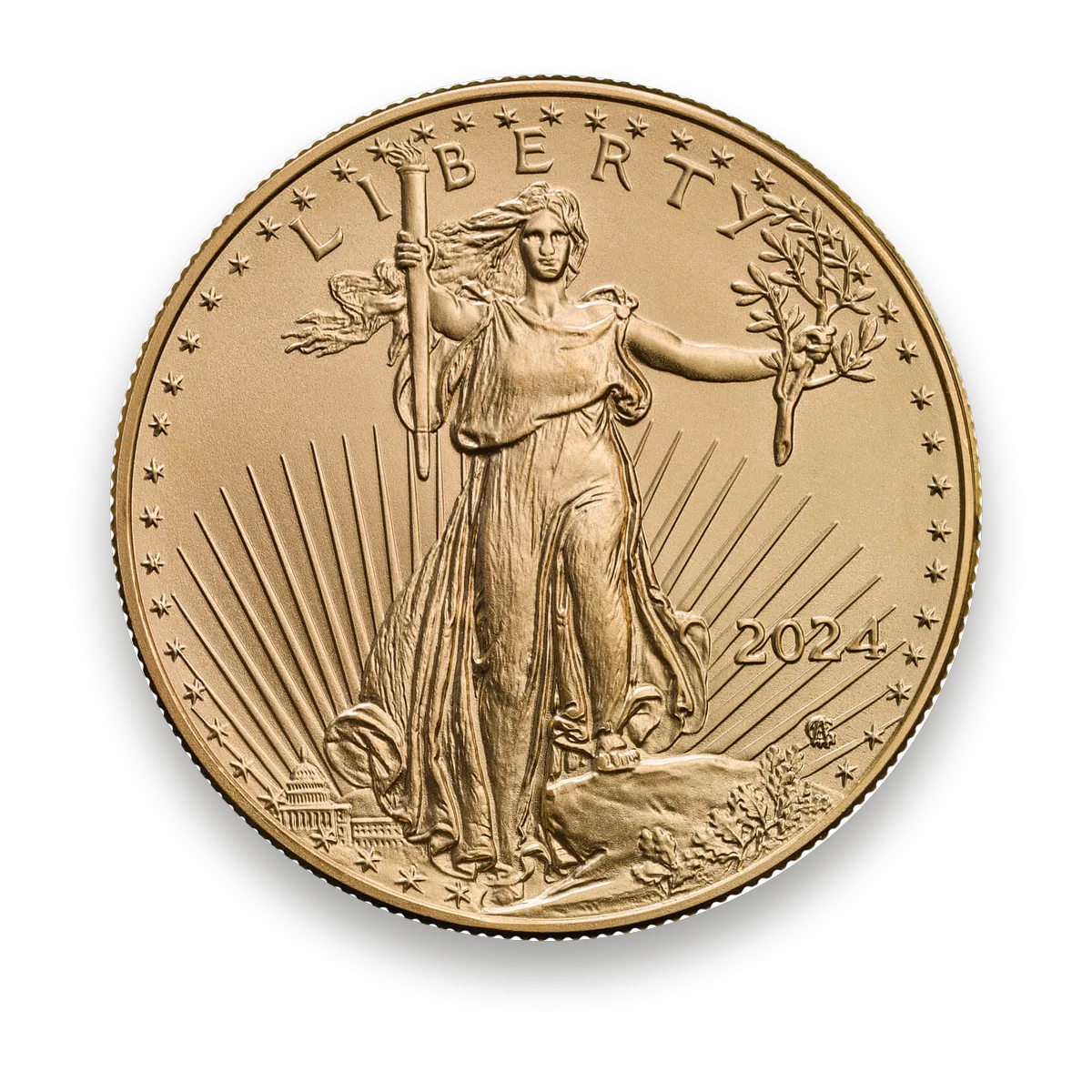
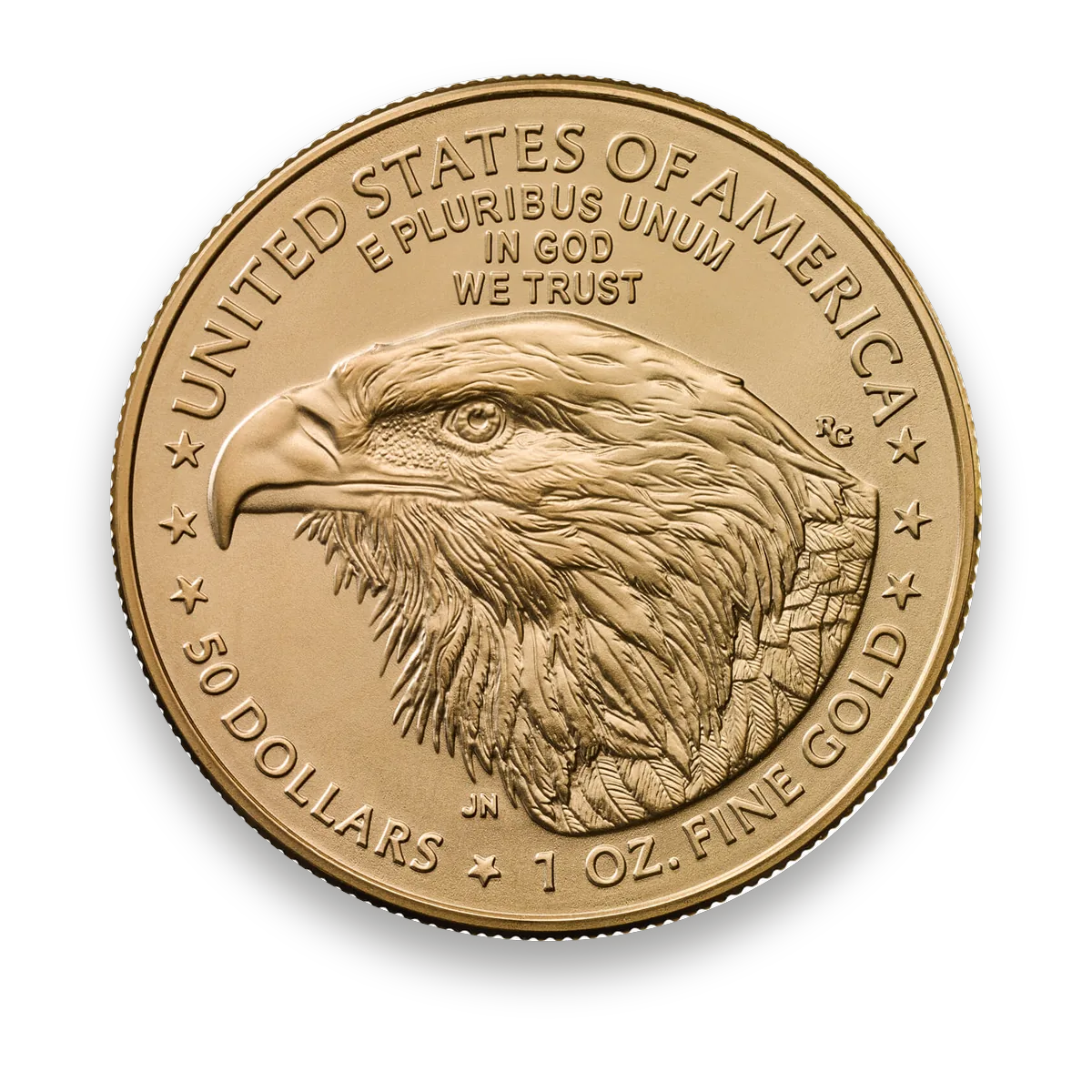
| Gold American Eagle, 1 oz | 31.1035 g | 5% |
| Gold Maple Leaf, 1 oz | 31.1035 g | 4% |
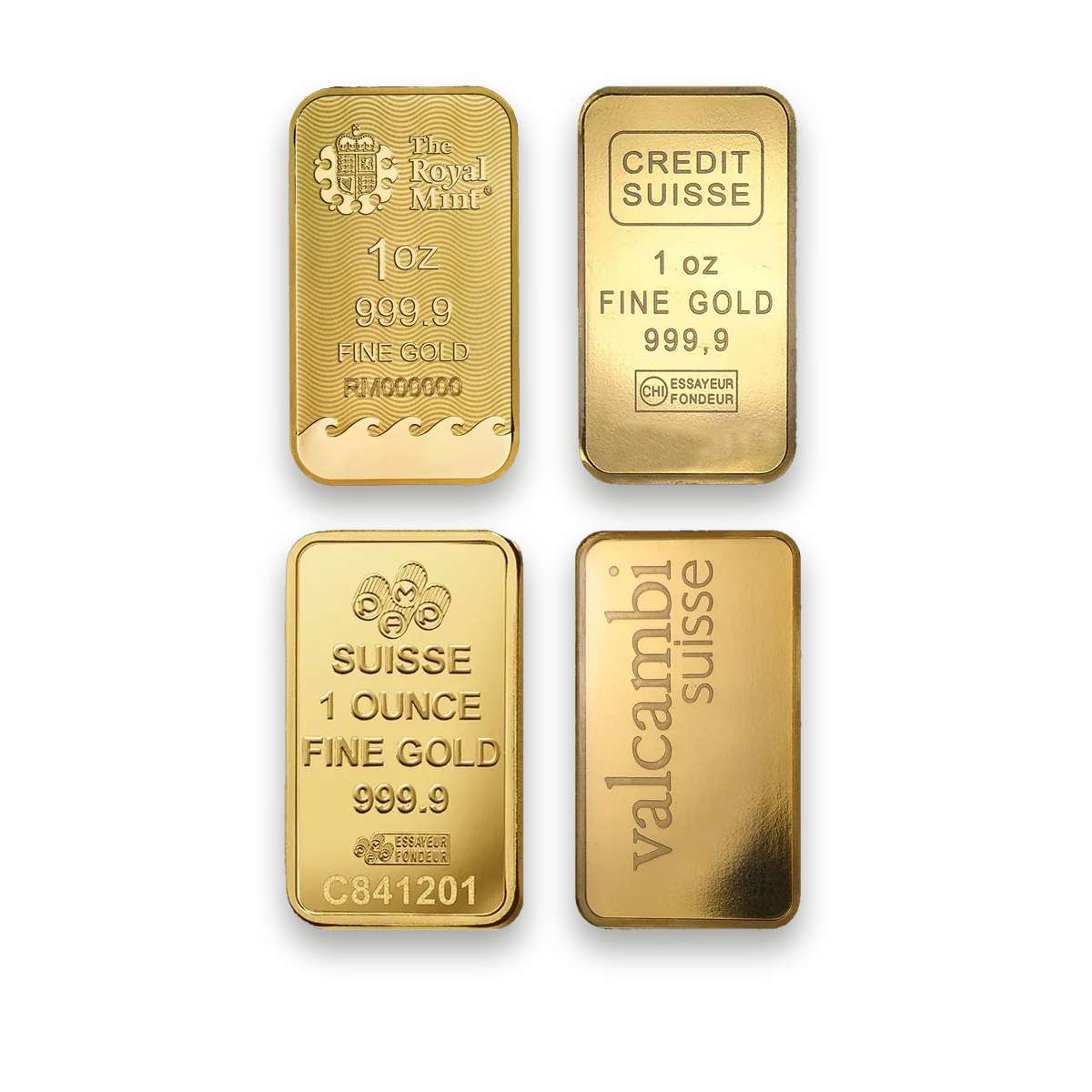
| 1 oz gold bar | 31.1035 g | 2.8% |
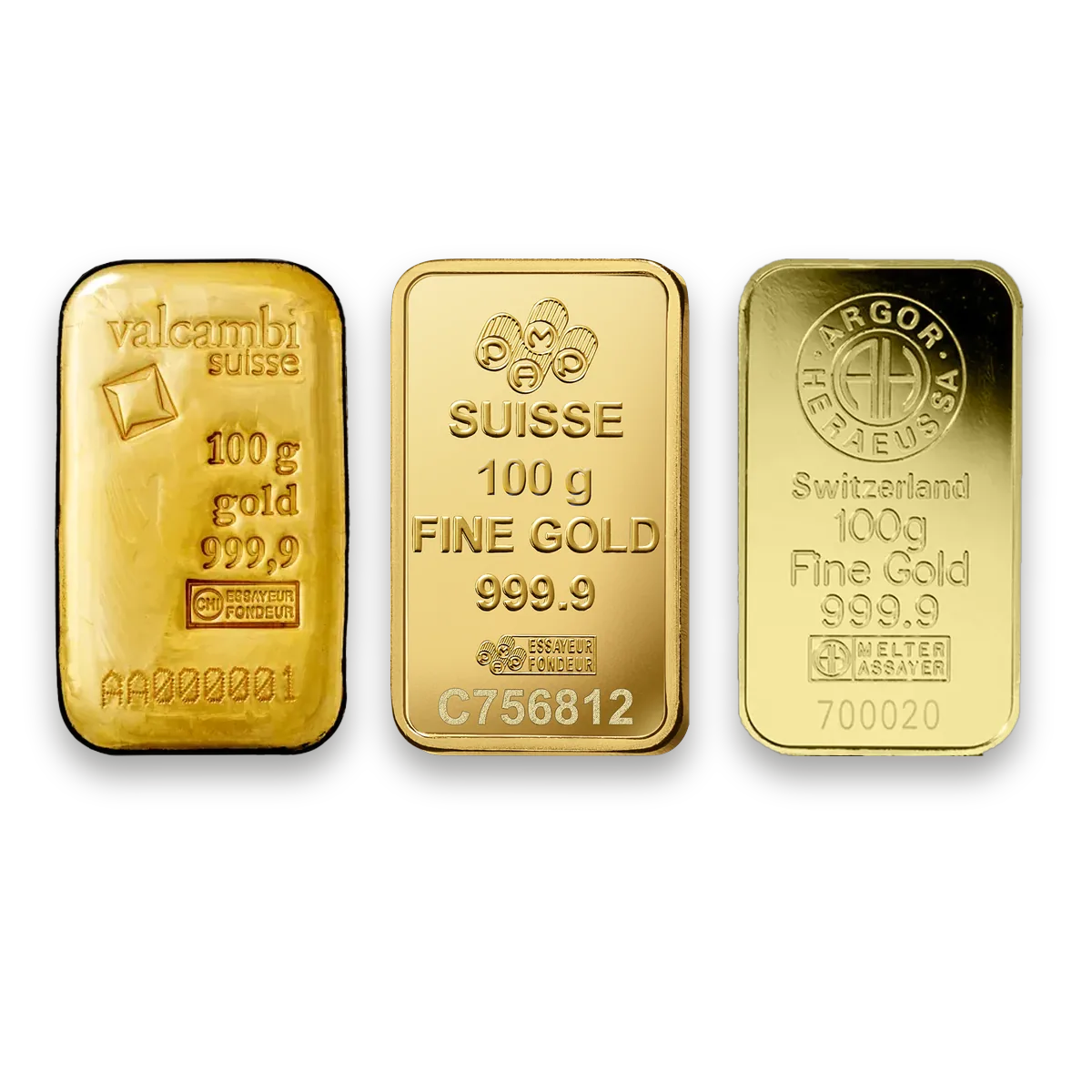
| 100 g gold bar | 100 g | 2% |
Smaller pieces let you buy and sell in smaller amounts, at a higher cost per gram. Silver premiums are generally higher than gold's, because silver is far cheaper per ounce while the costs of making and shipping a coin are similar.
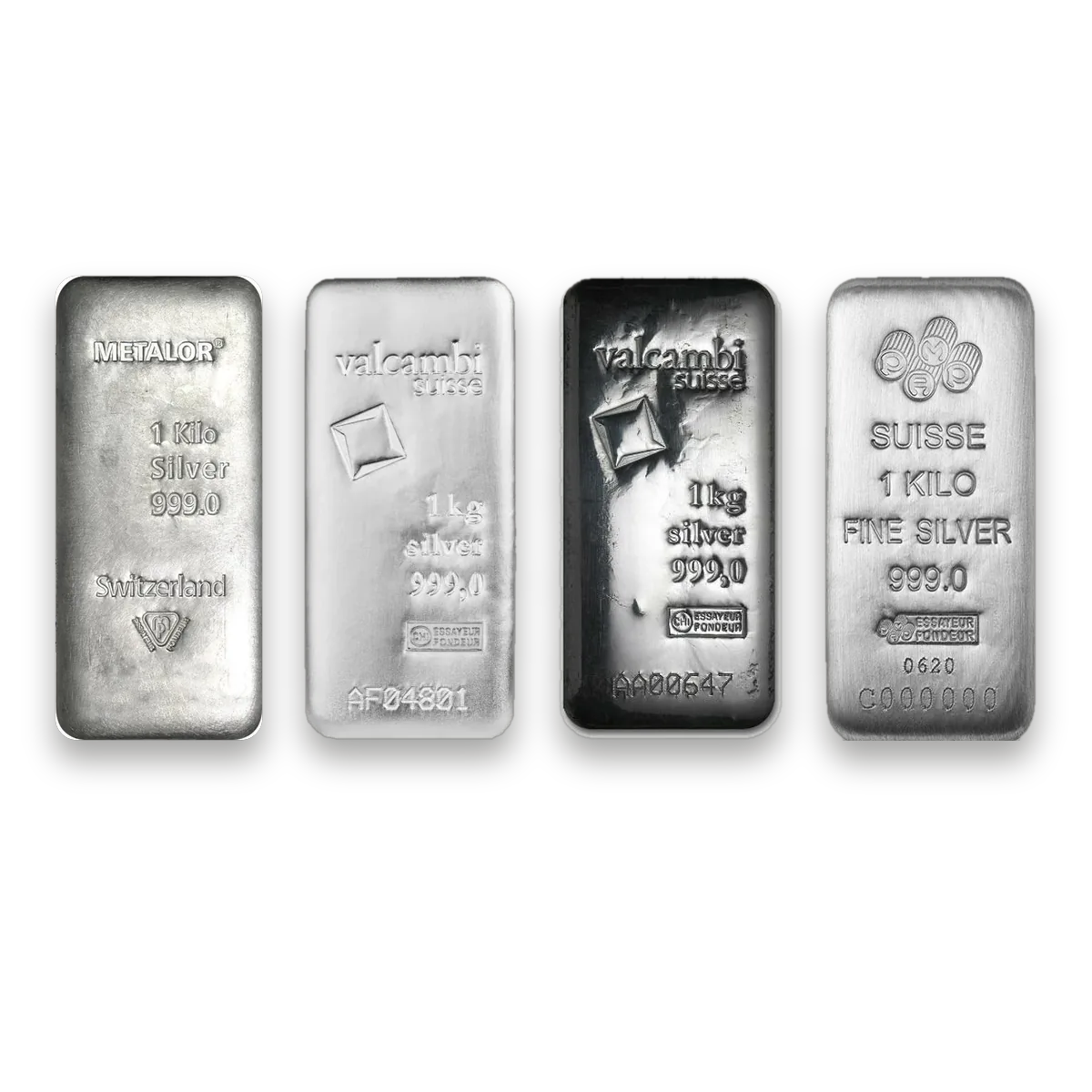
How spot is quoted and why it moves through the day
Gold and silver are quoted internationally in US dollars per troy ounce, so for a US buyer there is no conversion: the price you see on the chart is already in the currency you pay in.
The market trades almost around the clock on weekdays, passing from Asian to European to US trading centers. In general terms:
- London hours (early morning to around midday Eastern time) are when much of the physical wholesale business is done and benchmark prices are set.
- US hours overlap with London in the morning, when trading is often busiest. COMEX futures activity and US economic news releases can move prices quickly in this window.
- Overnight and weekends, trading is thinner. Prices may move less, or jump on news, and the market largely pauses from Friday evening until Sunday evening.
Many things can move the price: interest rate expectations, the strength of the dollar against other currencies, economic data, and demand for jewelry, industry and investment. Silver tends to move more sharply than gold, in both directions.
A worked example: how a price is built
The numbers below are hypothetical round numbers, chosen only to show the calculation. They are not today's prices; see the live prices on each product page.
Example 1: a 1 oz gold coin
- Spot price (example): $2,000 per troy ounce × 1 oz = $2,000.
- Premium (example): 4%, so $2,000 × 1.04 = $2,080.
- Sales tax: AU Trading currently charges none at checkout, so the price is $2,080.
If gold rose to $2,050 while you were deciding, the same coin would cost $2,050 × 1.04 = $2,132. That is why the price is locked for 10 minutes at checkout.
Example 2: a 1 kg silver bar
- Fine weight: 1 kg = 32.1507 troy ounces.
- Spot price (example): $30 per troy ounce, so 32.1507 × $30 = $964.52.
- Premium (example): 10%, so $964.52 × 1.10 = $1,060.97.
Whether your state expects use tax on bullion depends on its rules; see our guide to sales tax on gold and silver.
Selling later: the buy/sell spread
When you sell to a dealer, you are usually paid close to spot, not the price you paid. For widely recognized coins and bars, dealers typically pay a little below spot.
The gap between what you pay and what you would get if you sold right away is the spread. It is made up of the premium plus the dealer's discount to spot when buying back. The spot price has to rise by at least that much before you break even.
- Low-premium products, such as larger bars, start with a smaller gap.
- Well-known coins and bars from recognized mints and refiners are usually easiest to sell close to spot.
- Any sales or use tax you paid is normally not returned when you sell.
Selling can also have tax consequences. For US federal income tax, bullion is generally treated as a collectible, and the rules depend on your situation. Please check with a qualified tax adviser.
Common questions
Why is the product price higher than the spot price on the chart?
The chart shows spot for pure metal in wholesale quantities. The product price adds the premium for that coin or bar. See the worked example above.
Why does the price move at night or before the US market opens?
Gold and silver trade almost around the clock on weekdays, so prices keep moving while trading continues in Asia and London. Weekend prices are largely paused.
Is a lower premium always better?
You pay less above the metal's value, which is why larger bars cost less per gram. But smaller pieces and well-known coins can be easier to buy, store or sell in parts. It depends on what suits you.
Does the price change while I'm checking out?
At checkout your price is locked for 10 minutes; place your order in that time and that is the price you pay. Read more in how to buy gold online.